August 10, 2026
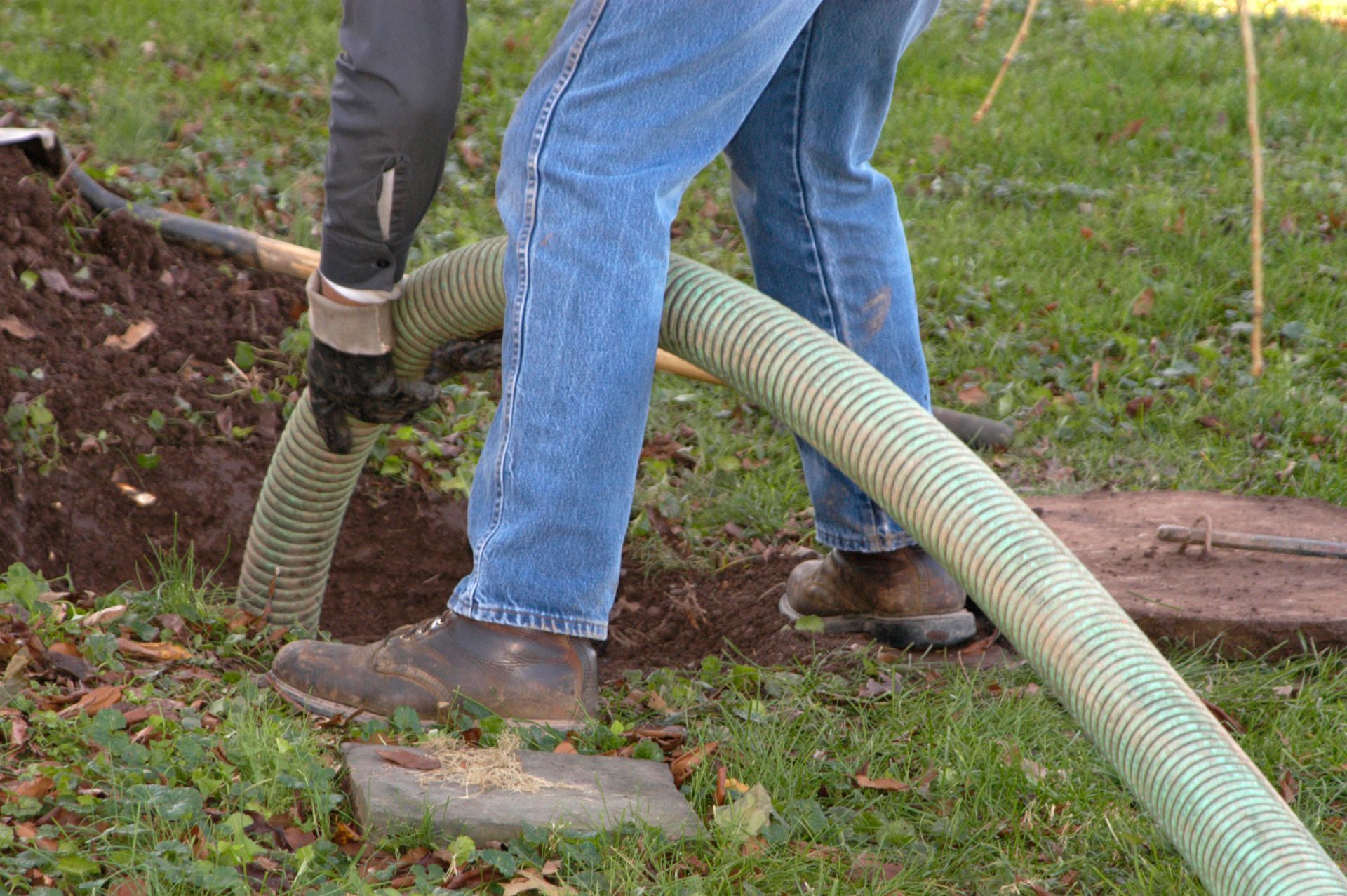
Every homeowner who relies on a private waste management setup recognizes the ongoing responsibility that comes with managing wastewater on their property. A well-functioning setup operates silently beneath the soil, processing waste and protecting the local surroundings from contamination. However, when neglect occurs, the consequences can be immediate, foul, and financially draining. Unattended waste accumulation quickly leads to stubborn clogs, plumbing slow-downs, and severe structural failures. Preventing these catastrophic system backups requires a steady commitment to professional upkeep, specialized equipment, and routine inspections. Engaging professional septic pumping services provides the foundational care necessary to keep plumbing lines flowing freely and safeguard your property against unexpected environmental and health hazards.
Beyond the immediate relief of avoiding household plumbing disasters, professional care safeguards your long-term property investment. A failed wastewater system does not merely cause temporary inconvenience; it can destroy landscaping, compromise foundational structures, and severely lower overall property values. Navigating the complexities of underground tank capacities, solid waste settling, and microbial balance requires technical expertise that goes far beyond surface-level observations. Through consistent attention and proactive maintenance strategies, property owners can ensure that their underground infrastructure functions smoothly year after year.
Maintaining System Longevity Through Regular Maintenance
Proper upkeep serves as the absolute backbone of effective underground waste management. Every daily activity that involves water usage sends organic matter, soap scum, and toilet paper into the central subterranean holding area. Over time, these materials separate into distinct layers, with heavy solids sinking to the bottom and lighter fats floating to the top. Without timely intervention, these accumulating layers reduce the total operational capacity of the central chamber. Utilizing certified septic pumping services regularly ensures that these concentrated waste deposits are thoroughly extracted before they can encroach on critical outlet pipes. This consistent clearing prevents heavy solids from migrating into sensitive downstream components where structural damage becomes far more complex and expensive to rectify.
Maintaining a clean and balanced holding tank allows the natural biological processes within the chamber to thrive. Anaerobic bacteria work continuously to break down organic waste, but excessive sludge buildup chokes out the air space and fluid volume needed for these microorganisms to function. Consistent waste extraction restores the essential equilibrium required for efficient biological breakdown. Additionally, keeping the solid levels low minimizes structural stress on the tank walls and internal baffles. By committing to regular cleaning cycles, property owners extend the total operational lifespan of their subterranean infrastructure while avoiding the sudden, emergency disruptions that accompany a neglected setup.
Preventing Solid Waste Accumulation and Clogs
The accumulation of heavy solid matter at the base of the primary chamber represents the single greatest threat to liquid flow within an underground system. As solids enter the holding chamber, gravity naturally draws heavier particles downward, forming a dense, viscous layer of sludge. If this layer is permitted to grow unchecked, it gradually displaces the liquid layer necessary for proper settling. As a result, incoming wastewater lacks the time required to separate, causing suspended solids to flow directly into outfall lines. Scheduling routine septic pumping services effectively removes this dense sludge accumulation, resetting the tank capacity and restoring the critical fluid volume necessary for optimal particle separation.
When heavy solids escape the central chamber, they inevitably create severe blockages within distribution pipes and soil absorption areas. Dense matter clogs the small perforations in drainage pipes, causing effluent to pool near the surface or back up into household plumbing fixtures. Eliminating this accumulation on a predictable schedule prevents solids from reaching vulnerable drainage pathways. Furthermore, maintaining an optimal fluid capacity inside the primary chamber ensures that incoming waste experiences proper retention times. This allows biological digestion to occur naturally and keeps the entire setup operating at peak efficiency without risking sudden, messy drainage blockages.
Assessing Financial and Health Risks of System Failures
Allowing an underground waste setup to fail introduces severe hazards to both family health and property finances. Raw sewage contains a vast array of dangerous pathogens, including harmful bacteria, viruses, and parasites that pose immediate health risks upon human contact. When a system overflows due to severe blockages, contaminated effluent can back up through basement drains or seep through the lawn surface. This creates immediate biological hazards for residents, pets, and neighboring properties. Utilizing professional septic pumping services stops these dangerous overflows at the source by ensuring that liquid capacities never exceed safe operational levels, keeping toxic wastewater safely contained deep underground.
From an economic perspective, ignoring routine maintenance is a recipe for extreme financial hardship. Emergency plumbing interventions, extensive soil remediation, and full system replacements can easily cost tens of thousands of dollars. Beyond direct repair costs, extensive sewage backups often require costly home restoration, specialized biohazard cleaning, and structural drying services. By contrast, budgeting for routine cleaning represents a tiny fraction of these catastrophic replacement expenses. Proactive care preserves property values, protects local groundwater supplies from costly environmental contamination, and gives property owners total confidence in the safety and stability of their home infrastructure.
Developing Tailored Upkeep Schedules for Optimal Performance
No two households generate identical amounts of wastewater, meaning that generic maintenance recommendations rarely fit individual operational needs. The frequency of septic pumping is dependent on several factors, including the size of the tank, household size, and water usage. Larger households generate more waste, requiring more frequent pumping than smaller ones. Additionally, the use of water-saving fixtures can reduce the amount of waste entering the tank. According to This Old House, about 1 in 4 US households are on septic, illustrating the need for tailored maintenance schedules. Crafting a personalized care strategy ensures that your specific setup receives exact care aligned with its real-world usage patterns.
Establishing a customized schedule requires a clear understanding of your property's daily operational demands. A small cottage occupied by two individuals will naturally experience far less solid waste buildup than a multi-generational home with high daily laundry and dishwashing demands. Working alongside experienced field technicians allows property owners to monitor sludge accumulation rates over time. This data helps establish a precise maintenance cadence, ensuring that waste extraction occurs precisely when needed rather than relying on guesswork. Customizing your schedule maximizes system efficiency while avoiding unnecessary service visits or dangerous delays.
Innovating Waste Management With Modern Technologies
The field of residential wastewater care is undergoing significant technological advancement, making system management more precise and reliable than ever before. Modern monitoring systems now feature smart sensors capable of measuring sludge density, liquid levels, and fluid flow in real time. These digital monitors send immediate alerts to homeowners and service technicians when liquid levels rise unexpectedly or when sludge layers reach capacity limits. Integrating these modern tools alongside professional septic pumping services ensures that maintenance occurs well before emergency conditions develop, virtually eliminating the surprise factor from subterranean plumbing management.
Environmental sustainability has also taken center stage in modern waste management solutions. Advanced extraction equipment and eco-friendly treatment methods ensure that collected waste is processed responsibly, minimizing the overall ecological footprint. Biological additives and natural enzyme treatments can now be used to support internal bacterial health without introducing harsh chemicals into surrounding soil layers. Furthermore, smart home integration allows property managers to track historical usage trends, identify interior plumbing leaks early, and optimize water consumption. Embracing these technological innovations empowers property owners to maintain cleaner, safer, and far more efficient waste systems.
Safeguarding your home against the nightmare of raw sewage backups requires proactive care, regular monitoring, and expert technical assistance. By removing accumulated solids, restoring holding capacity, and protecting soil drainage pathways, consistent maintenance ensures that your underground infrastructure operates smoothly for decades. Ignoring routine care inevitably leads to expensive repairs, severe property damage, and serious environmental risks. Partnering with experienced professionals who understand the intricate mechanics of subterranean waste systems is the single best step you can take to protect your home investment. Contact Superior Hometown Services Corp today to schedule your next service appointment and keep your property operating safely and efficiently.